




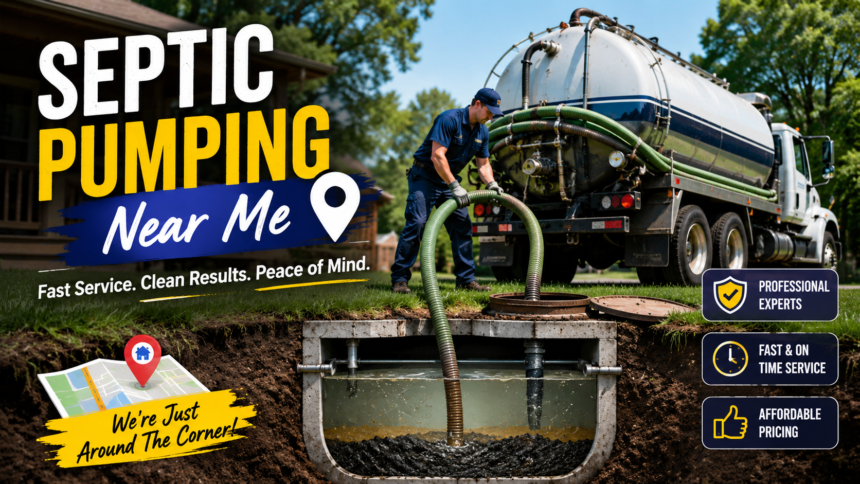
When homeowners search for septic pumping near me, they are usually looking for a fast solution to a septic problem. Maybe the drains are slow, strange odors are appearing around the yard, or it’s simply time for routine maintenance. Whatever the reason, septic pumping is one of the most important services for protecting your property and avoiding expensive repairs.
- Understanding How a Septic System Works
- Why Septic Pumping Near Me Is So Important
- Signs You Need Septic Pumping Immediately
- Slow Draining Fixtures
- Gurgling Sounds
- Bad Smells Around the Property
- Standing Water in the Yard
- Sewage Backup
- How Often Should You Schedule Septic Pumping?
- What Happens During a Septic Pumping Appointment?
- How Much Does Septic Pumping Cost?
- Common Mistakes That Damage Septic Systems
- Flushing Non-Flushable Items
- Excessive Water Usage
- Pouring Grease Down Drains
- Ignoring Maintenance
- Parking on the Drain Field
- Benefits of Routine Septic Pumping
- How to Choose the Best Septic Pumping Near Me Service
- Questions to Ask Before Hiring a Septic Company
- Septic Pumping vs Septic Cleaning
- Emergency Situations That Require Immediate Action
- Long-Term Septic Maintenance Tips
- Schedule Regular Inspections
- Use Water Efficiently
- Protect the Drain Field
- Use Septic-Safe Products
- Pump on Schedule
- Final Thoughts
A septic system works quietly in the background every day, handling wastewater from toilets, sinks, showers, washing machines, and dishwashers. Because it operates underground, many homeowners forget about it until something goes wrong. Unfortunately, septic issues can quickly become messy, stressful, and expensive if they are ignored.
Regular septic pumping removes accumulated waste from the tank before it creates problems. It helps maintain system efficiency, protects the drain field, and significantly extends the life of the entire septic system.
If you have been searching for septic pumping near me, this detailed guide will explain everything you need to know, from how septic systems work to maintenance schedules, warning signs, costs, and expert tips for keeping your system healthy for years.
Understanding How a Septic System Works
Before discussing septic pumping near me, it’s helpful to understand how a septic system functions.
A septic system is designed to collect and treat wastewater from your home. Wastewater flows into an underground septic tank where solids settle to the bottom and form sludge. Oils and grease float to the top and create a layer known as scum.
Between these two layers sits relatively clear wastewater.
As more wastewater enters the tank, the liquid portion flows into the drain field where it is naturally filtered through the soil.
This process works efficiently only when the tank has enough room to separate waste properly. Once too much sludge accumulates, the system begins to struggle.
That is where septic pumping becomes essential.
Why Septic Pumping Near Me Is So Important
Many people believe a septic tank only needs attention when something breaks.
That assumption can become very expensive.
A septic tank continually collects waste. No matter how efficient the system is, solids gradually build up inside the tank. Without regular pumping, these solids can eventually move into the drain field.
Once the drain field becomes clogged, repairs become significantly more expensive.
Routine septic pumping near me services help:
- Prevent sewage backups
- Improve drainage performance
- Reduce unpleasant odors
- Protect groundwater quality
- Extend septic system lifespan
- Avoid costly emergency repairs
- Preserve property value
A well-maintained septic system can last 25 to 40 years or even longer.
Neglecting maintenance can dramatically shorten that lifespan.
Signs You Need Septic Pumping Immediately
Many homeowners don’t know when their septic tank is becoming full.
Fortunately, the system often provides warning signs.
Slow Draining Fixtures
One of the earliest indicators is slow drainage throughout the home.
If sinks, showers, bathtubs, and toilets are draining slower than usual, your septic tank may be approaching capacity.
Gurgling Sounds
Hearing bubbling or gurgling noises from drains or toilets often indicates restricted wastewater flow.
These sounds occur because trapped air struggles to move through the plumbing system.
Bad Smells Around the Property
A healthy septic system should not produce strong odors.
If you notice sewage smells near the tank, drain field, or inside the house, it may be time to search for septic pumping near me.
Standing Water in the Yard
Puddles forming above the septic area often signal that wastewater is no longer moving properly through the system.
This issue should never be ignored.
Sewage Backup
This is the most serious warning sign.
If wastewater begins backing up into sinks, showers, or toilets, immediate professional service is required.
As septic experts often remind homeowners, “The first sign of trouble is usually the cheapest time to fix it.”
How Often Should You Schedule Septic Pumping?
One of the most common questions about septic pumping near me is how frequently it should be done.
The answer depends on several factors.
Household Size
More people create more wastewater and solid waste.
A family of six will generally require pumping more frequently than a household with only two residents.
Tank Size
Larger tanks can hold more waste before reaching capacity.
Smaller tanks require more frequent maintenance.
Water Usage
Homes with high water consumption place additional stress on septic systems.
Long showers, excessive laundry, and heavy dishwasher use can accelerate sludge accumulation.
Garbage Disposal Usage
Using a garbage disposal frequently increases solid waste entering the septic tank.
This often shortens pumping intervals.
General Guidelines
Most experts recommend:
| Household Size | Recommended Pumping Schedule |
|---|---|
| 1–2 People | Every 3–5 Years |
| 3–4 People | Every 2–4 Years |
| 5–6 People | Every 2–3 Years |
| Large Families | Every 1–2 Years |
If you’re unsure, a professional septic pumping near me provider can inspect your tank and recommend a customized schedule.
What Happens During a Septic Pumping Appointment?
Many homeowners feel nervous about septic maintenance because they don’t know what to expect.
Fortunately, the process is straightforward.
Locating the Tank
The technician first locates the septic tank and uncovers access lids.
System Inspection
Before pumping begins, the technician may inspect visible components for damage or wear.
Waste Removal
A specialized vacuum truck removes sludge, liquid waste, and scum from the tank.
Powerful pumps transfer waste into a secure storage compartment on the truck.
Interior Examination
After pumping, technicians often inspect:
- Tank walls
- Baffles
- Inlet pipes
- Outlet pipes
- Structural integrity
Maintenance Recommendations
If any issues are identified, recommendations are provided for repairs or future maintenance.
Most septic pumping appointments take between 30 minutes and two hours.
How Much Does Septic Pumping Cost?
Cost is often one of the first concerns when searching for septic pumping near me.
Pricing varies depending on several factors.
Tank Size
Larger tanks require more time and disposal capacity.
Accessibility
If the tank is difficult to access, labor costs may increase.
Geographic Location
Prices vary based on local labor rates and disposal regulations.
Emergency Service
After-hours or urgent service calls generally cost more.
Typical Cost Range
Most homeowners pay between:
- $250–$700 for routine pumping
- $700–$1,500+ for emergency services and additional repairs
While pumping may seem costly, it is significantly cheaper than replacing a failed septic system, which can cost thousands or even tens of thousands of dollars.
Common Mistakes That Damage Septic Systems
Many septic problems are preventable.
Here are some of the most common mistakes homeowners make.
Flushing Non-Flushable Items
Never flush:
- Baby wipes
- Paper towels
- Feminine hygiene products
- Cotton swabs
- Dental floss
These materials do not break down properly.
Excessive Water Usage
Flooding the system with water reduces treatment efficiency.
Try spreading laundry loads throughout the week.
Pouring Grease Down Drains
Grease hardens inside pipes and contributes to septic buildup.
Ignoring Maintenance
Skipping scheduled septic pumping near me services remains one of the biggest causes of system failure.
Parking on the Drain Field
Heavy vehicles can compact soil and damage underground components.
Benefits of Routine Septic Pumping
Regular maintenance offers significant long-term advantages.
Longer System Life
Routine pumping helps septic systems last decades longer.
Better Drainage
Wastewater flows more efficiently when the tank isn’t overloaded.
Reduced Odors
Removing excess waste helps eliminate unpleasant smells.
Lower Repair Costs
Preventive maintenance costs far less than emergency repairs.
Environmental Protection
Properly functioning septic systems help prevent contamination of local soil and groundwater.
How to Choose the Best Septic Pumping Near Me Service
Not all septic companies provide the same level of quality.
Here are some important factors to consider.
Experience Matters
Choose companies with years of septic maintenance experience.
Verify Licensing
Licensed professionals understand local regulations and safety standards.
Read Reviews
Customer reviews provide valuable insight into reliability and service quality.
Request Transparent Pricing
A trustworthy company explains costs clearly before starting work.
Emergency Availability
Septic emergencies can happen at any time.
A company offering emergency service provides extra peace of mind.
Questions to Ask Before Hiring a Septic Company
Before booking service, ask:
- How long have you been in business?
- Are you licensed and insured?
- What’s included in the pumping service?
- Do you inspect the tank afterward?
- Do you provide emergency support?
- Can you recommend a maintenance schedule?
These questions help ensure you’re hiring qualified professionals.
Septic Pumping vs Septic Cleaning
People often use these terms interchangeably, but there can be differences.
Septic Pumping
Removes the majority of liquid waste, sludge, and floating scum.
Septic Cleaning
Involves a deeper cleaning process designed to remove residual buildup that remains after pumping.
Your septic professional can recommend which service best suits your system.
Emergency Situations That Require Immediate Action
Some septic problems should never wait.
Contact a septic pumping near me professional immediately if you experience:
- Sewage backing up into your home
- Standing wastewater in the yard
- Strong sewage odors indoors
- Overflowing septic tanks
- Multiple plumbing fixtures failing simultaneously
Prompt action can prevent major property damage.
Long-Term Septic Maintenance Tips
Keeping your septic system healthy doesn’t require much effort.
Follow these simple habits:
Schedule Regular Inspections
Annual inspections can identify small problems before they become expensive repairs.
Use Water Efficiently
Reducing water waste helps prevent overloading the system.
Protect the Drain Field
Avoid construction, vehicles, and heavy equipment in drain field areas.
Use Septic-Safe Products
Choose cleaning products designed for septic systems whenever possible.
Pump on Schedule
The easiest way to avoid major septic problems is to stay consistent with pumping appointments.
As one septic contractor puts it, “Your septic tank rewards consistency more than anything else.”
Final Thoughts
Searching for septic pumping near me is more than finding someone to empty a septic tank. It’s about protecting one of the most important systems in your home.
Routine pumping prevents backups, improves performance, protects the drain field, and saves money over the long term. While septic systems operate quietly underground, they require regular care to function properly.
Whether you are noticing warning signs or simply following a maintenance schedule, investing in professional septic pumping near me services is one of the smartest decisions a homeowner can make. Proper maintenance today can help you avoid major repairs tomorrow and keep your septic system operating efficiently for decades.
Also Read: Herald Magazine