




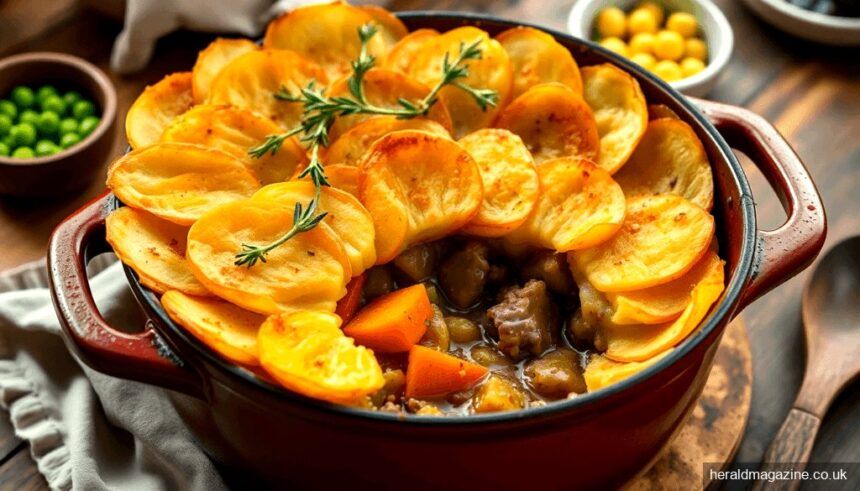
The History and Significance of Lancashire Hotpot
Lancashire hotpot is a traditional British dish that originated in the north of England, specifically in the county of Lancashire. The dish has its roots in the 18th century, when it was a staple food for the working class, particularly coal miners and textile workers. The hotpot was made with lamb or beef, onions, and potatoes, which were readily available and affordable ingredients. Over time, the dish evolved to include other ingredients such as vegetables and sometimes even pearl barley. Today, Lancashire hotpot is a beloved regional specialty, and its rich history and cultural significance make it a must-try for anyone visiting the area.
In the late 19th and early 20th centuries, Lancashire hotpot gained popularity throughout the UK, and its recipe was adapted and modified by various cooks and chefs. The dish became a staple in many British households, particularly in the north of England, where it was often served on special occasions and holidays. Despite the rise of modern British cuisine, Lancashire hotpot remains a popular dish, and its traditional recipe continues to be celebrated and enjoyed by people of all ages.
The Art of Making a Perfect Lancashire Hotpot
Making a perfect Lancashire hotpot requires skill, patience, and a deep understanding of traditional British cooking techniques. The dish is typically made with lamb or beef, which is slowly cooked in a pot with onions, potatoes, and sometimes pearl barley. The key to a great hotpot is to use high-quality ingredients, particularly the meat, which should be tender and flavorful. The onions and potatoes should be cooked slowly, allowing them to absorb the rich flavors of the meat and the broth.
One of the most important aspects of making a Lancashire hotpot is the use of a traditional cooking method called “stewing.” Stewing involves cooking the ingredients in a pot over low heat for an extended period of time, allowing the flavors to meld together and the meat to become tender. This technique requires patience and attention to detail, as the cooking time can vary depending on the type of meat and the desired level of tenderness.
For a truly authentic Lancashire hotpot experience, try making the dish at home using traditional ingredients and cooking techniques. You can find many recipes online or in cookbooks, but be sure to follow the classic recipe and cooking method to ensure the best results.
The Best Places to Try Lancashire Hotpot Near You
If you’re looking to try a delicious Lancashire hotpot near you, there are many top-rated restaurants and cafes throughout the region that offer authentic and mouth-watering versions of this traditional dish. From cozy pubs to upscale restaurants, you’ll find a wide range of hotpots to suit every taste and budget.
One of the best places to try a Lancashire hotpot is at Annies, a Haworth-based restaurant that serves a signature dish called “My Hobbit Companions Heather Reared Lonk Lamb Lancashire Hotpot” (£10.50). This dish is a must-try for anyone visiting the area, as it showcases the rich flavors and traditions of Lancashire cuisine.
Another great option is to try a Lancashire hotpot at a traditional British pub, such as The Eagle and Child in Manchester. This historic pub has been serving up delicious hotpots for decades, and its menu features a range of traditional British dishes, including the classic Lancashire hotpot.
For a more modern take on this traditional dish, try visiting the award-winning restaurant, The French House, in Lancashire. This restaurant offers a range of creative hotpots, including a vegan version made with locally sourced ingredients.
The Cultural Significance of Lancashire Hotpot
As the UK’s culinary scene continues to evolve, it’s exciting to think about the future of Lancashire hotpot. With its rich history, cultural significance, and delicious flavors, this traditional dish is sure to remain a beloved favorite for generations to come.
In fact, there are already signs that Lancashire hotpot is experiencing a resurgence in popularity. Young chefs and food entrepreneurs are experimenting with new recipes and flavors, while traditional pubs and restaurants are reviving classic hotpot recipes.
As you explore the world of Lancashire hotpot, keep an eye out for innovative twists and updates on this traditional dish. Who knows? You may just discover a new favorite flavor combination or cooking technique that will take this beloved dish to the next level.
Conclusion
In conclusion, Lancashire hotpot is a true culinary treasure that deserves to be celebrated and enjoyed by people of all ages. From its rich history and cultural significance to its delicious flavors and aromas, this traditional dish is a must-try for anyone visiting the region.
Whether you’re a foodie, a history buff, or simply looking for a delicious meal, Lancashire’s hotpot scene has something for everyone. So why not try a Lancashire hotpot near you today and experience the rich flavors and traditions of this beloved regional specialty?