




The Authentic History and Cultural Heritage of Ajiaco Cubano
Ajiaco Cubano is widely regarded as the undisputed national dish of Cuba, serving as a rich, savory reflection of the island nation’s complex history and vibrant cultural melting pot. Long before Spanish conquistadors arrived on the Caribbean shores, the indigenous Taíno people cooked hearty stews utilizing local root vegetables, native chilies, and fresh game or seafood. With the arrival of European settlers, African laborers, and later Asian immigrants, this rustic stew evolved drastically. New ingredients were introduced into the communal pot, including pork, beef, citrus juices, and Mediterranean aromatics. Over centuries of culinary synthesis, these varied influences coalesced into the comforting, deeply flavorful stew enjoyed today across the globe by lovers of authentic Latin American cuisine.
- The Authentic History and Cultural Heritage of Ajiaco Cubano
- Key Ingredients That Define an Authentic Cuban Ajiaco
- How to Search and Locate the Best Ajiaco Cubano Near Me
- Evaluating the Restaurant Experience and Culinary Pairings
- Cuban Ajiaco vs. Colombian Ajiaco: Key Regional Differences
- Tips for Ordering Delivery or Recreating Cuban Ajiaco at Home
Famed Cuban anthropologist Fernando Ortiz famously used the metaphor of the ajiaco pot to describe Cuban identity—a continuous process of cultural “transculturation” where diverse ingredients simmer together, each contributing its unique character while forming a unified, harmonious whole. Unlike Colombia’s version of ajiaco, which relies heavily on three specific varieties of Andean potatoes such as papas criollas, sabanera, and pastusa paired with chicken and guascas herbs, the traditional Cuban recipe focuses on a diverse assortment of tropical root crops, dried salted meats, and tender pork. When food enthusiasts set out to discover the best ajiaco cubano near me, they are not merely looking for a hot meal; they are embarking on a delicious journey through centuries of Caribbean history and soul-satisfying tradition.
Key Ingredients That Define an Authentic Cuban Ajiaco
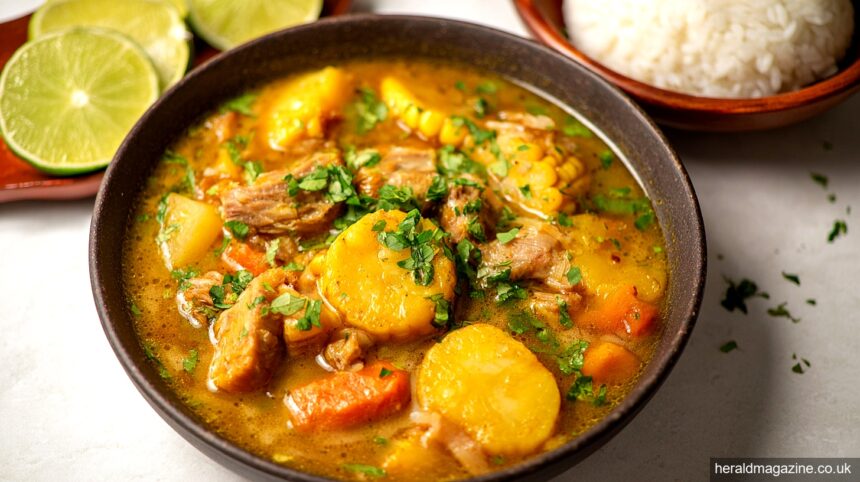
To truly appreciate what sets a top-tier Cuban ajiaco apart from ordinary stews, one must understand the essential starches, known throughout the Spanish-speaking Caribbean as viandas. A legitimate Cuban ajiaco relies on a sturdy foundation of starchy root vegetables including yuca (cassava), malanga (taro root), boniato (sweet white potato), calabaza (West Indian pumpkin), and both green and ripe plantains. As these viandas slow-cook over low heat, their natural starches break down, gently thickening the savory broth without the need for artificial thickeners or flour. Corn on the cob, sliced into thick, juicy rounds, is another non-negotiable element that adds a delightful crunch and natural sweetness to balance the rich, savory broth.
Equally critical to the flavor profile is the selection of proteins and the aromatic seasoning base. Traditional Cuban recipes incorporate a mix of meats, often featuring tender pork shoulder, beef chuck roast, chicken pieces, and authentic tasajo—a salted, cured beef that imparts a distinct depth of flavor. This hearty ensemble simmers inside a broth heavily infused with a classic Cuban sofrito: a fragrant mixture of minced garlic, diced onions, green bell peppers, dried oregano, ground cumin, and a splash of sour orange juice or lime. If you are researching authentic Cuban Ajiaco recommendations, paying close attention to these ingredient markers will help you identify which local restaurants prepare their soups completely from scratch using ancestral culinary methods.
How to Search and Locate the Best Ajiaco Cubano Near Me
Finding an exceptional restaurant that serves authentic Caribbean comfort food requires a smart, targeted search strategy. While standard web searches can yield dozens of general dining options, zeroing in on high-quality Cuban stews calls for a more specialized approach. Start by utilizing interactive map applications and typing in specific search queries beyond standard cuisine tags. Instead of searching broadly for generic Cuban food, input precise terms like best ajiaco cubano near me alongside local neighborhood names. Take advantage of modern food discovery platforms and delivery applications, which allow users to filter menu items directly to locate places actively offering traditional daily soup specials.
Beyond digital search tools, examining detailed customer reviews and community feedback offers valuable insights into a restaurant’s true quality. Search customer comments for authentic phrasing such as “sabor casero” (homemade taste), “rich thick broth,” or references to traditional family recipes handed down through generations. Authentic family-owned Cuban eateries, often referred to as paladares or neighborhood bodegas, frequently prepare ajiaco on specific days of the week when fresh root vegetables are delivered. Engaging with local Cuban diaspora groups or asking for recommendations in regional food forums can reveal hidden neighborhood gems that might not maintain a massive social media presence but serve world-class, slow-simmered ajiaco that rivals homemade recipes.
Evaluating the Restaurant Experience and Culinary Pairings
When you walk into a reputable Cuban restaurant to enjoy a hot bowl of ajiaco, the entire dining atmosphere should reflect warm Caribbean hospitality and rich culinary heritage. The comforting aroma of slow-roasting garlic, bitter orange marinades, and simmering broth should immediately greet you at the door. Authentic establishments take great pride in serving their stews piping hot in large ceramic bowls, allowing the complex aromas of cooked plantains, pork, and sofrito to rise gracefully. The broth should possess a velvety, medium-thick body—never watery or overly thin—with whole chunks of tender root vegetables and succulent meat clearly visible throughout the bowl.
A truly complete Cuban meal experience extends beyond the soup bowl itself through traditional side dishes and accompaniments. A standard serving of Cuban ajiaco is almost always accompanied by a fresh side of fluffy white rice, sliced ripe avocado, and fresh lime wedges to cut through the richness of the meats. Diners often enjoy pairing their stew with crisp, golden stuffed fried plantains or buttered, toasted Cuban bread that is perfect for dipping directly into the flavorful broth. Choosing a restaurant that treats these classic sides with the same care as their main dishes ensures an unforgettable dining experience whenever you search for the best ajiaco cubano near me.
Cuban Ajiaco vs. Colombian Ajiaco: Key Regional Differences
It is exceptionally common for diners exploring Latin American cuisine to confuse Cuban ajiaco with its famous Colombian counterpart, yet the two dishes represent vastly different regional flavor profiles and cooking styles. Colombian Ajiaco, specifically the iconic version hailing from the high-altitude capital of Bogotá (Ajiaco Santafereño), is fundamentally a chicken and potato soup. It strictly features three distinct Andean potato varieties—papa sabanera, papa pastusa, and the tiny, buttery papa criolla—which dissolve to give the soup its signature creaminess. It is flavored predominantly with a unique native herb called guascas and is traditionally served topped with salty capers, a swirl of heavy cream, and corn on the cob.
In contrast, Cuban Ajiaco is a much heartier, multi-meat stew built upon tropical roots rather than mountain potatoes. You will rarely find heavy cream, capers, or guascas in a traditional Cuban recipe. Instead, the flavor is defined by tropical viandas like yuca and malanga, citrus notes from sour orange, and a rich combination of pork, beef, and salted meats. Understanding these distinct culinary differences prevents ordering mistakes and ensures that when you enter a search for the best ajiaco cubano near me, you know precisely which authentic flavor profile, root vegetables, and meat variations to expect on your plate.
Tips for Ordering Delivery or Recreating Cuban Ajiaco at Home
If you prefer enjoying your comfort food from the comfort of your own dining room, ordering Cuban ajiaco through reputable delivery services or local takeout can be wonderful, provided you follow a few basic guidelines. Because root vegetables continue to absorb liquid as they sit, ask the restaurant to pack delicate garnishes, fresh lime wedges, and toasted Cuban bread separately from the hot stew. Reheat the broth gently on your stove over medium-low heat upon arrival rather than using a microwave, which can overcook tender pieces of malanga and pork. This simple step preserves the original texture and rich flavor profile crafted by the chef.
For home cooks inspired to replicate this magnificent Caribbean stew from scratch, sourcing authentic ingredients from a well-stocked Latin American grocery store is key. Gather fresh yuca, malanga, boniato, green plantains, pork shoulder, and corn on the cob. Take your time slowly building a fragrant sofrito base with plenty of garlic, onions, sweet peppers, cumin, and sour orange juice. Let the meats and root vegetables simmer slowly until tender, allowing the natural starches to thicken the broth organically. Whether you choose to cook it yourself or track down the best ajiaco cubano near me at a top-rated local spot, this iconic dish promises a heartwarming taste of authentic Cuban tradition.