



The Origins of Arepa Boyacense
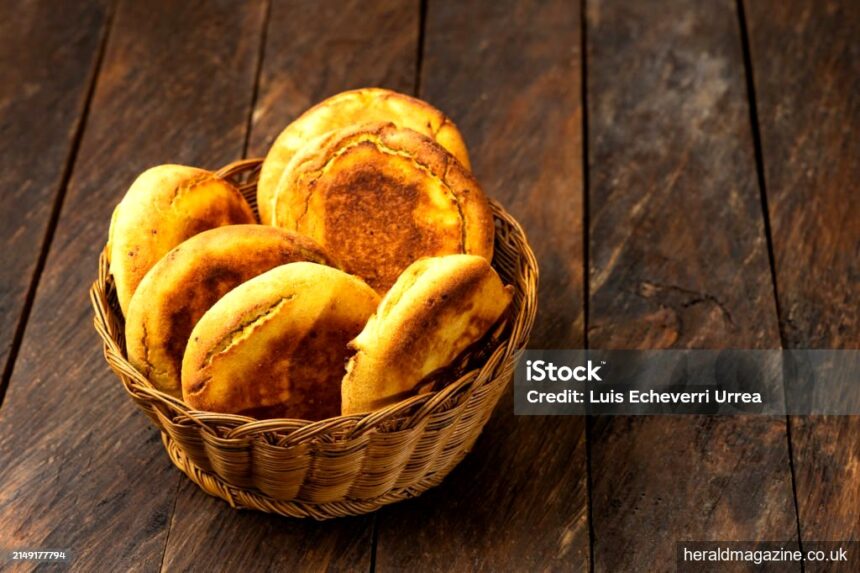
Arepa Boyacense, also known as Arepa from Boyacá, is a traditional Colombian dish originating from the Boyacá region. This region is known for its rich cultural heritage and delicious cuisine. The arepa is a staple food in Colombia, made from cornmeal, water, and salt. However, the Boyacense version is unique in its own way, with a slightly thicker and denser texture than other types of arepas.
Traditionally, Arepa Boyacense is made with fresh corn, which gives it a distinct flavor and texture. However, with the advancement of technology and changes in consumer preferences, many modern recipes now use precooked cornmeal to make arepas. This has made it easier for people to make arepas at home, but it has also led to a loss of the traditional flavor and texture. According to cornmeal, it is a staple ingredient in many Latin American countries, including Colombia.
The Flavors and Ingredients of Arepa Boyacense
Arepa Boyacense is a simple yet flavorful dish that can be enjoyed with a variety of fillings. The traditional filling is known as “pabellón,” which consists of shredded beef, plantains, and cheese. However, modern recipes often feature a range of fillings, including chicken, pork, and vegetables. The arepa itself is made from a mixture of cornmeal, water, and salt, which is grilled or fried until crispy and golden brown.
In addition to the traditional filling, Arepa Boyacense is often served with a variety of toppings, including cheese, sour cream, and chicharrón (deep-fried pork rinds). The arepa is also often served with a side of coffee, tea, or orange juice, which complements its crispy texture and flavorful filling. As mentioned in My Colombian Recipes, Arepa Boyacense is a delicious and easy-to-make dish that is perfect for breakfast, lunch, or dinner.
The Best Arepa Boyacense Near You
If you’re looking for the best Arepa Boyacense near you, there are several options to consider. One popular option is Cafe Arepa Boyacense Boyaca, located in the heart of Boyacá. This cafe serves a variety of arepa dishes, including traditional Pabellón and modern fillings like chicken and pork. They also offer a range of toppings and sides, including cheese, sour cream, and chicharrón.
To find Cafe Arepa Boyacense Boyaca, simply search for “Arepa Boyacense” in a search engine like Yandex Maps, and you’ll find their location and contact information. You can also check out their website or social media pages to learn more about their menu and services. According to Yandex Maps, Cafe Arepa Boyacense Boyaca is a popular destination for foodies and travelers looking for a taste of traditional Colombian cuisine.
How to Make Arepa Boyacense at Home
Making Arepa Boyacense at home is easier than you think. With a few simple ingredients and some basic cooking skills, you can create delicious and authentic arepas that will impress your family and friends. Here’s a simple recipe to get you started:
Ingredients:
* 2 cups of precooked cornmeal
* 1/2 cup of water
* 1/4 teaspoon of salt
* 1 tablespoon of vegetable oil
* Filling of your choice (e.g. shredded beef, chicken, or vegetables)
Instructions:
1. In a large bowl, mix together the cornmeal, water, and salt until a dough forms.
2. Knead the dough for 5-10 minutes until it becomes smooth and pliable.
3. Divide the dough into 4-6 equal pieces, depending on the size of arepa you prefer.
4. Roll each piece into a ball and flatten it slightly into a disk shape.
5. Heat the vegetable oil in a large skillet over medium-high heat.
6. Cook the arepas for 4-5 minutes on each side, or until they are crispy and golden brown.
7. Serve the arepas with your chosen filling and toppings.
Conclusion
Arepa Boyacense is a delicious and traditional Colombian dish that is perfect for breakfast, lunch, or dinner. With its crispy texture and flavorful filling, it’s a must-try for any foodie or traveler. Whether you’re looking for the best Arepa Boyacense near you or want to make it at home, this guide has provided you with the information and resources you need to succeed. Happy cooking!