




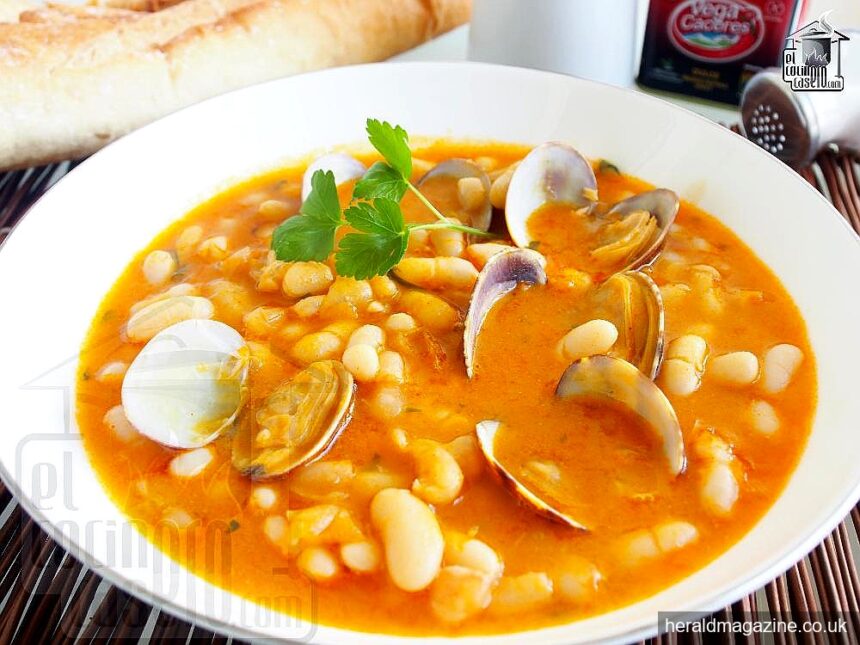
Introduction to Fabes con Almejas: Spain’s Coastal Comfort Classic
Fabes con almejas is a legendary culinary masterpiece originating from the lush, mountainous coastal region of Asturias in northern Spain. This heartwarming stew effortlessly bridges the gap between land and sea, combining buttery white beans with sweet, briny clams in a delicate garlic and white wine sauce. Unlike its heartier cousin, the chorizo-laden fabada asturiana, this seafood-infused delicacy presents a refined, subtle flavor profile that highlights the freshness of coastal ingredients. If you are a discerning foodie seeking an authentic taste of Iberian gastronomy, searching for the best fabes con almejas near me can lead you to extraordinary local eateries that preserve traditional Spanish cooking methods. Exploring local menus for this dish unveils a world where centuries of culinary heritage meet modern epicurean passion, offering a truly comforting bowl of gourmet Spanish soul food.
- Introduction to Fabes con Almejas: Spain’s Coastal Comfort Classic
- The Anatomy of Perfection: Key Ingredients that Define Authentic Fabes con Almejas
- How to Locate the Best Fabes con Almejas Near Me
- Traditional Asturian Preparation: What Makes the Difference
- Pairing and Dining Experience: What to Order Alongside Fabes con Almejas
- Recreating the Experience: Cooking Fabes con Almejas at Home
What truly elevates this dish above ordinary stews is the harmonious interaction between the velvet-textured beans and the mineral richness of fresh clams. The starches released from the prolonged cooking of specialized white beans create a silky, naturally thick broth without requiring heavy creams or artificial thickeners. A subtle infusion of Spanish olive oil, aromatic garlic, fresh parsley, and a splash of dry white wine or traditional Asturian cider creates an aromatic base that amplifies the natural sweetness of the seafood. As lovers of Spanish cuisine expand their culinary horizons beyond standard tapas, the demand for authentic regional stews has surged across urban dining scenes worldwide. Discovering a restaurant that masters this intricate balance guarantees an unforgettable dining experience rooted in authenticity.
Finding a culinary establishment that executes this dish with precision requires a keen eye for authentic Spanish culinary practices. A proper bowl of this Asturian stew is never rushed; it demands patience, high-quality ingredients, and deep respect for classic culinary techniques. From the initial soaking of the artisanal beans to the final, rapid steaming of the fresh clams, every single step plays a vital role in constructing the dish’s signature texture and taste profile. Whether you are dining at a high-end Spanish restaurant or an unpretentious neighborhood bistro, encountering an expertly crafted batch of this specialty offers an immersive journey straight to the rocky shores of the Cantabrian Sea.
The Anatomy of Perfection: Key Ingredients that Define Authentic Fabes con Almejas
At the absolute heart of any exceptional version of this dish is the specific variety of bean utilized in the kitchen. Traditional recipes strictly demand Faba Asturiana, a protected geographical indication bean renowned for its remarkably smooth skin, large size, and melt-in-your-mouth creamy texture when cooked properly. Substituting these prized legumes with generic white beans often results in graininess or split skins that disrupt the luxurious mouthfeel of the stew. Culinary enthusiasts who frequent global dining hubs often consult trusted guides and top restaurant reviews to identify authentic eateries that import genuine Spanish ingredients for their regional menu offerings. When a kitchen commits to sourcing authentic Asturian beans, it demonstrates an unyielding dedication to gastronomic integrity that diners can taste in every single spoonful.
The second critical element is the clams, which must be pristine, fresh, and properly purged of sand to ensure a spotless dining experience. In Spain, chefs typically select native species such as carpet shell or Manila clams, which offer a delicate texture and a clean, ocean-fresh salinity. When preparing the stew outside of Spain, high-end seafood establishments carefully select local clams that mirror these fresh oceanic qualities. The clams are typically steamed open separately or added at the very last moment of cooking, allowing their natural liquor to combine with the bean stock while preventing the clam meat from becoming tough or rubbery. This delicate balance of timing preserves the tender bite of the seafood while enriching the broth with natural marine minerals.
Beyond the primary protein and legume components, the seasoning and aromatic base play a foundational role in defining the stew’s overall character. A classic soffrito made from finely minced garlic, sweet onions, high-grade Spanish extra virgin olive oil, and a touch of sweet smoked paprika provides a rich background warmth. Fresh flat-leaf parsley is added generously toward the end of the cooking process, lending a vibrant green hue and a clean, herbaceous finish that cuts through the starchiness of the beans. A splash of crisp dry white wine, such as Albariño or Godello, adds a bright acidity that unifies the earthy beans and salty clams into a cohesive, beautifully balanced masterwork.
How to Locate the Best Fabes con Almejas Near Me
Embarking on a quest to discover the best fabes con almejas near me requires exploring specialized Spanish taverns, authentic tapas spots, and dedicated seafood establishments. While many general Spanish restaurants focus primarily on popular dishes like paella or garlic shrimp, specialized regional dining spots often feature traditional northern Spanish stews as featured daily specials. To locate these hidden culinary gems, diners should actively search for authentic Iberian eateries that emphasize authentic regional cooking rather than generic fusion menus. Taking the time to research local culinary neighborhoods often reveals tucked-away taverns where native Spanish chefs cook historical family recipes with unwavering passion and precision.
Identifying an authentic establishment goes beyond simply scanning the menu; it involves recognizing key signs of culinary quality and cultural authenticity. A genuine Spanish kitchen will often highlight the origin of their ingredients, explicitly noting the use of imported Asturian beans or fresh, hand-selected local shellfish. Additionally, traditional restaurants frequently serve their stews in classic earthenware vessels known as cazuelas, which maintain optimal heat and allow the rich flavors to settle naturally. Observing whether a venue offers a curated selection of Spanish wines and traditional ciders is another reliable indicator that the kitchen takes its regional food offerings seriously, ensuring a memorable dining outing.
Digital dining platforms, local food forums, and enthusiast reviews are invaluable tools when you are searching for the best fabes con almejas near me. Reading detailed feedback from fellow food lovers can help you identify restaurants that prepare their stews fresh from scratch rather than relying on pre-cooked canned bases. Pay close attention to reviews that specifically mention the tender texture of the beans, the freshness of the clams, and the depth of the broth. By gathering insights from passionate food lovers across various review communities, you can confidently select a top-rated dining destination that consistently delivers an exceptional, authentic Asturian culinary experience.
Traditional Asturian Preparation: What Makes the Difference
The secret to achieving an award-winning batch of this Asturian classic lies in the slow, meticulous cooking process known locally as chup-chup. The dried beans must be soaked in pure water for at least twelve hours to hydrate evenly before being placed in a heavy pot with cold water and aromatics. The stew is brought to a gentle simmer, never a violent boil, as harsh movement can rupture the delicate skins of the beans and ruin their velvety texture. Throughout the cooking process, small amounts of cold water are periodically added to lower the temperature slightly, a traditional technique that ensures perfectly even tenderness throughout each legume.
Mastering the delicate integration of the clams into the bean base is what separates master Spanish chefs from amateur cooks. To prevent grit from spoiling the luxurious stew, fresh clams are typically purged thoroughly in salted water before being gently sautéed in olive oil with garlic, parsley, and dry white wine until they pop open. The pristine juice released by the opening clams is carefully strained and folded into the simmering bean pot, infusing the starchy liquid with vibrant ocean flavors. When searching for the best fabes con almejas near me, diners are essentially looking for a kitchen that honors this delicate sequence, keeping the clam meat wonderfully soft while saturating the bean broth with maritime essence.
Another essential technique in classic Asturian stew making is achieving the ideal broth consistency, known as trabado. This natural thickening occurs as the starch from the slowly simmered beans emulsifies with the olive oil, garlic, and clam liquor. Chefs gently rotate or shake the cooking pot in a circular motion rather than stirring forcefully with a spoon, which preserves the structural integrity of the individual beans while thickening the liquid into a silky sauce. This harmonious blending of natural starches and fragrant oils produces a rich, coat-the-spoon texture that defines true northern Spanish comfort food at its absolute finest.
Pairing and Dining Experience: What to Order Alongside Fabes con Almejas
To fully appreciate a steaming bowl of this bean and clam stew, pairing it with traditional Asturian beverages creates an elevated, highly authentic dining experience. The undisputed champion of pairings is traditional Asturian natural cider, a tart, still beverage poured from a height to aerate the liquid and release its subtle effervescence. The lively acidity and crisp apple notes of the natural cider cut through the rich starch of the beans while accentuating the sweet salinity of the fresh clams. Alternatively, a chilled glass of crisp Spanish white wine, such as a mineral-rich Albariño from Rías Baixas or a vibrant Godello from Valdeorras, offers a delightful acidic backbone that complements the seafood stew effortlessly.
Accompaniments should remain wonderfully simple to allow the complex, nuanced flavors of the stew to remain the centerpiece of your meal. High-quality crusty artisan bread is absolutely indispensable, as diners will naturally want to soak up every remaining drop of the rich, garlic-infused clam broth. Starting the meal with lightweight, complementary Spanish appetizers such as pan con tomate, sliced jamón Ibérico, or a simple green salad with marinated olives helps prepare the palate without overwhelming it before the main dish arrives. Keeping side dishes straightforward ensures that the rich, comforting depth of the main stew remains the star of the table.
Prioritizing rich, nourishing dining experiences is an essential component of a balanced, fulfilling lifestyle where self-care and enjoyment go hand in hand. Taking time out of a busy schedule to savor fine food with family or friends nourishes both body and spirit, creating lasting memories centered around authentic culture. Just as individuals invest effort into personal health routines or research professional wellness services like finding the best orthodontist near me, seeking out high-quality culinary experiences demonstrates a commitment to personal well-being and life satisfaction. Choosing to dine on wholesome, artfully prepared traditional meals offers a deeply satisfying pause in our modern, fast-paced world.
Recreating the Experience: Cooking Fabes con Almejas at Home
While dining out at an authentic Spanish tavern is always a treat, adventurous home cooks can also recreate this iconic coastal dish in their own kitchens. Sourcing genuine ingredients is the most critical first step; searching online Spanish specialty markets or high-end gourmet grocers will help you locate real dried Asturian white beans. If authentic Spanish white beans prove difficult to find locally, high-quality large butter beans or dried broad white beans can serve as suitable alternatives, provided they are cooked with extreme care and gentleness. Paired with fresh Manila or littleneck clams from a reliable local fishmonger, home cooks can achieve impressive, restaurant-quality results in their home dining room.
When preparing the stew at home, patience and attention to subtle details will yield the best possible outcome. Ensure the beans are soaked overnight in plenty of cold water, and always simmer them on low heat with simple aromatics like onion, garlic, and olive oil. Resist the urge to rush the process by raising the heat, as aggressive boiling will cause the skins to peel away from the beans. Cook the clams separately just until they open, strain their aromatic liquid carefully into the main pot, and finish the dish with generous amounts of freshly chopped flat-leaf parsley and a drizzle of premium extra virgin olive oil for a sparkling presentation.
Ultimately, whether you decide to roll up your sleeves in your home kitchen or head out to explore the culinary highlights of your city, finding the best fabes con almejas near me opens the door to one of Spain’s most cherished culinary treasures. This timeless dish showcases how humble, high-quality ingredients can be transformed through patience and traditional technique into a luxurious, world-class feast. The next time you crave an authentic taste of northern Spain’s coastal heritage, seek out a passionate local kitchen or prepare your own simmering pot of creamy beans and briny clams to savor an unforgettable culinary journey.


