




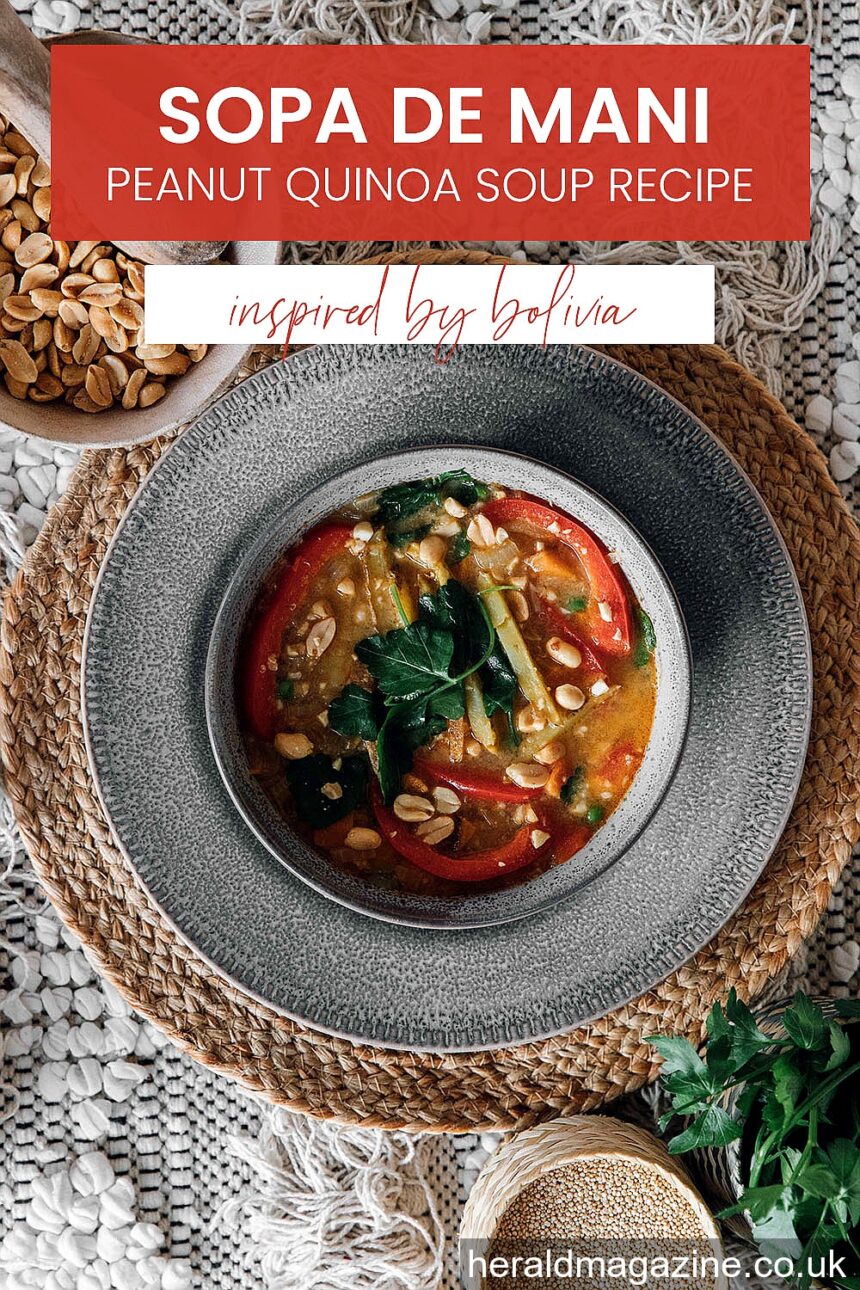
Sopa de Maní, the iconic Bolivian peanut soup, is one of South America’s best-kept culinary secrets. Rich, creamy, deeply comforting, and loaded with savory depth, this dish transforms basic raw peanuts, tender meat, aromatic spices, and crispy toppings into an unforgettable masterpiece. Whether you first tried it while traveling through the high Andes or are simply a curious foodie seeking your next comforting bowl of broth, locating an authentic establishment that serves this delicacy can feel like a culinary treasure hunt. Finding the best sopa de mani near me requires knowing where to look, what key traditional preparation methods to identify, and how local hidden gems operate outside of mainstream dining apps. In this ultimate guide, we will explore everything you need to know about tracking down this legendary soup in your area, evaluating its authenticity, and enjoying every single spoonful.
- The Rich Heritage and Flavors of Traditional Sopa de Maní
- Where to Eat: Identifying Top Bolivian Restaurants and Bakeries
- Beyond Traditional Restaurants: Pop-Ups, Festivals, and Markets
- Key Elements That Define an Authentic Bowl of Peanut Soup
- Pro Search Strategies to Locate Authentic Spots Near You
- How to Recreate Authentic Sopa de Maní at Home
The Rich Heritage and Flavors of Traditional Sopa de Maní
Sopa de Maní is deeply rooted in the rich culinary heritage of Bolivia, where ground peanuts have been utilized in cooking for thousands of years. Unlike western peanut dishes that lean heavily on roasted peanut butter or sweet profiles, authentic Bolivian peanut soup relies strictly on raw, soaked, and blended unsalted peanuts. This creates a velvety, pale, creamy broth with a delicate nutty flavor rather than an overwhelming roasted taste. The foundation of the soup begins with a savory soffrito made of diced onions, garlic, carrots, and sweet peppers cooked down to perfection. From there, tender cuts of beef shank, short ribs, or bone-in chicken are simmered slowly alongside crushed peanuts, cumin, and oregano. The resulting texture is rich and satisfying without needing heavy creams or artificial thickeners, making it a masterpiece of Andean comfort food.
The beauty of this dish lies in its balance of textures and carefully chosen garnishes that elevate the entire dining experience. A proper bowl of Sopa de Maní is almost always crowned with a generous handful of freshly fried potato sticks or thin French fries, creating an irresistible contrast between crunchy potato threads and rich, warm broth. Additionally, cooks add cooked green peas, tender potato chunks, and short pasta like maccheroni or rice to ensure every spoon offers a heartiness that satisfies the appetite. Fresh cilantro or parsley is sprinkled across the top right before serving, providing a burst of herbal freshness that cuts through the soup’s natural richness. When you begin searching online for the best sopa de mani near me, looking at food photos to spot these signature potato garnishes is often the quickest way to verify whether a restaurant respects traditional cooking methods.
Regional variations across Bolivia add unique twists to the fundamental recipe, making every kitchen’s rendition slightly different yet equally comforting. In the valleys of Cochabamba, known as the gastronomic capital of Bolivia, the soup is revered for its velvety broth and thick cut of beef, often served as a hearty weekend lunch dish. In urban hubs like La Paz or Santa Cruz, home cooks and local vendors may adjust the spices or substitute different types of short noodles depending on family traditions. Because these recipes are deeply tied to family heritage, finding a bowl outside of South America often means eating food crafted from cherished, generations-old family secrets. Discovering an authentic venue is a rewarding experience because no two bowls taste identical, yet all deliver that unmistakably cozy, comforting peanut essence.
Where to Eat: Identifying Top Bolivian Restaurants and Bakeries
When beginning your quest for authentic South American comfort food, knowing which types of dining establishments to target is critical. Bolivian restaurants are naturally the premier destination, but because they are less common than other Latin American eateries in many western cities, they often exist as cozy family-owned gems. These neighborhood spots frequently double as bakeries specializing in salteñas—Bolivia’s famous savory baked pastries filled with spiced meat and ragout. If a local bakery is renowned for its salteñas, there is an extremely high probability that their weekend lunch menu features a simmering pot of authentic peanut soup. Food lovers hunting for culinary excellence can consult professional expert recommendations for the best sopa de mani to see where international critics and seasoned travelers rate top-tier bowls across major global cities.
In cities with diverse Latin American communities, such as Arlington, Virginia, or New York City, local eateries frequently combine Bolivian specialties alongside Salvadoran, Peruvian, or Mexican offerings. While a general Latin American restaurant might cover multiple cuisines, checking their daily specials board often reveals hidden gems like Sopa de Maní available exclusively on Fridays, Saturdays, or Sundays. Because the labor-intensive process of soaking raw peanuts, peeling them, grinding them to a smooth paste, and slow-simmering beef takes hours, many traditional kitchens do not serve this soup daily. Instead, it serves as a highlighted weekend special designed to bring local families together over a long, leisurely lunch. Therefore, timing your search to align with weekend dining hours significantly increases your chances of securing a freshly cooked, steaming bowl.
Another fantastic approach when searching for the best sopa de mani near me is reading customer reviews specifically focusing on soup quality and authentic texture. When diners write enthusiastic reviews mentioning that the broth transported them straight back to Cochabamba or La Paz, you know you have found a winner. Look for comments praising the tenderness of the meat, the creaminess of the peanut blend, and the generous topping of crispy potato threads. Dedicated food reviewers often share photos of the menu boards, allowing you to confirm whether the soup is a permanent menu staple or a limited weekend delicacy. Contacting the restaurant directly via phone before visiting can also save you time, ensuring that the fresh batch for the day hasn’t already sold out due to high local demand.
Beyond Traditional Restaurants: Pop-Ups, Festivals, and Markets
Traditional brick-and-mortar restaurants are not the only places to find exceptional South American cuisine; local community markets and cultural pop-ups often offer incredible alternatives. Many talented home cooks and passionate street vendors prepare traditional recipes in limited, small batches that rival even the highest-rated commercial kitchens. Cultural festivals, church charity drives, and local Bolivian independence day celebrations (typically held in early August) are absolute goldmines for authentic regional dishes. During these community gatherings, local vendors set up food stalls selling homemade salteñas, silpancho, and massive pots of slow-cooked Sopa de Maní. The atmosphere at these events is lively, welcoming, and centered entirely around sharing rich heritage through traditional home-cooked meals that follow strict ancestral recipes.
Finding these informal culinary events requires tapping into local community groups, social media networks, and neighborhood bulletin boards. Searching for local Bolivian cultural associations or South American heritage clubs in your metropolitan area can reveal scheduled weekend food fairs and pop-up dinners. Many home cooks announce their weekend cooking schedules on platforms like Facebook Groups or Instagram, taking pre-orders for quarts of peanut soup to be picked up on Saturday mornings. Because these talented cooks operate in small batches, the quality of ingredients and depth of flavor are often unmatched. You will frequently find that broth prepared by a home cook using an inherited family recipe contains rich whole spices, prime beef marrow bones, and hand-peeled raw peanuts that commercial kitchens might streamline.
Engaging directly with your local immigrant and diaspora communities offers an authentic cultural bridge that goes beyond simply eating out. Visiting specialized South American grocery stores or Latin markets can yield valuable word-of-mouth recommendations from store owners and staff. Simply asking the market clerk where they go when craving traditional peanut soup can lead you straight to a hidden neighborhood pop-up or a small, unlabeled kitchen operating inside a nearby bakery. These word-of-mouth discoveries often end up being the absolute best sopa de mani near me options available in your region. Furthermore, supporting these small local cooks helps preserve important culinary traditions while granting you access to some of the most heart-warming, rich, and unforgettable soup you will ever taste.
Key Elements That Define an Authentic Bowl of Peanut Soup
To truly appreciate Sopa de Maní and evaluate the spots you discover, it is helpful to understand the intricate components that make up an authentic preparation. The foundational requirement is the use of white, raw peanuts—never roasted, salted, or commercial peanut butter. Roasting peanuts changes their natural oil structure and introduces a strong, dark, heavy flavor that overpowers the subtle aromatic herbs and broth. Raw peanuts are soaked in warm water to soften their skins, peeled meticulously, and then blended with cold water or rich stock into a smooth, milky liquid. When simmered gently alongside aromatic vegetables, this peanut emulsion thickens naturally into a pale, velvety, ivory-colored broth that feels silky on the palate without being unpleasantly greasy or heavy.
Meat selection and broth building play an equally vital role in establishing the soup’s robust, savory backbone. Traditional recipes call for bone-in cuts such as beef shank, short ribs, or whole chicken pieces, which release natural gelatin into the boiling stock during slow cooking. This gelatin combines with the blended peanut fats to create a full-bodied, comforting texture that coats the back of a spoon. The seasoning profile is remarkably understated yet distinct, relying heavily on ground cumin, dried oregano, a pinch of yellow chili pepper (Aji Amarillo), and freshly ground black pepper. These spices warm the background without introducing searing heat, allowing the delicate creaminess of the peanuts and the rich meat flavor to shine as the primary highlights.
Finally, the textual elements included directly before serving elevate the dish from a simple soup to a complex, multi-textured feast. Small short pasta shapes like elbow macaroni, rigatoni, or shell noodles are boiled directly in the savory broth or added near the end of cooking, alongside sweet green peas and tender diced potatoes. The crown jewel of the presentation remains the generous topping of shoestring French fries or matchstick potatoes scattered on top just as the bowl reaches the table. As you submerge the crispy fried potatoes into the hot, creamy broth, they soften slightly while retaining a delicious crunch. If you visit a restaurant where the broth is dark brown, overly sweet, or missing these classic potato toppings, you are likely tasting a heavily modified version rather than an authentic Bolivian creation.
Pro Search Strategies to Locate Authentic Spots Near You
In the digital age, using the right search terms and online filters makes all the difference when hunting for niche regional specialties. Typing a vague query like “peanut soup near me” into a search engine will likely return African peanut stews, Thai peanut noodles, or general American cream of peanut soups. While those dishes are delicious in their own right, they possess completely different flavor profiles and ingredient bases compared to South American Sopa de Maní. To streamline your search effectively, use precise terms such as best sopa de mani near me, “Bolivian peanut soup near me”, or “authentic Bolivian restaurant”. Specifying the nationality ensures that search engines prioritize authentic Latin American establishments, local bakeries, and regional dining directories that specifically feature this Andean specialty on their menus.
Utilizing interactive mapping tools and review platforms with targeted keyword filters can further refine your culinary hunt. When searching on review sites like Yelp or Google Maps, navigate to the search bar within the reviews section of a specific restaurant and type “sopa de mani” or “salteñas”. This targeted search scours thousands of customer comments to instantly reveal whether the establishment serves the soup, even if it isn’t listed on their standard digitized menu. Additionally, looking through customer-uploaded photos under the “Food” category allows you to visually identify bowls featuring the telltale pale broth and potato thread topping. Exploring lighter, refreshing side options on a menu, such as a crisp fresh garden salad with vibrant greens, can also give you insight into the restaurant’s commitment to balanced, well-rounded dining offerings alongside their heavy soup selections.
Social media channels provide another incredibly powerful tool for uncovering hidden pop-ups, temporary food trucks, and seasonal culinary festivals. Platforms like Instagram and TikTok thrive on visual food discovery, where local food bloggers and diaspora creators frequently highlight authentic dining spots. Searching tags like #BolivianFood, #SopaDeMani, or combining your city’s name with #BolivianEats can lead you directly to video tours of hidden kitchens. Many small family restaurants update their daily lunch specials exclusively via social media stories rather than maintaining a formal website. By following these local culinary pages, you will receive real-time updates when a fresh, steaming pot of peanut soup is prepared, ensuring you never miss out on a limited weekend batch.
How to Recreate Authentic Sopa de Maní at Home
If your search for a local restaurant serving Bolivian peanut soup comes up empty, recreating this legendary dish in your own kitchen is a deeply satisfying alternative. The process is surprisingly straightforward, though it requires patience and adherence to traditional technique. Begin by sourcing raw, unroasted, unsalted peanuts from an Asian, Latin, or international grocery store. Soak two cups of raw peanuts in hot water for approximately twenty minutes, then slip off their skin and blend them with two cups of cold water until smooth and milky. In a large soup pot, brown bone-in beef shank or chicken pieces in oil, then remove them and sauté finely chopped onion, minced garlic, diced carrots, and celery until softened and fragrant.
Once your aromatic vegetables are golden, stir in ground cumin, dried oregano, salt, and black pepper, allowing the dried herbs to bloom in the hot oil for about one minute. Return the seared meat to the pot, pour in six cups of quality beef or chicken stock, and slowly stir in your blended raw peanut paste. Bring the mixture to a gentle boil, then immediately reduce the heat to low and let it simmer uncovered for approximately 45 to 60 minutes. Stir the pot frequently with a wooden spoon to prevent the raw peanut mixture from settling at the bottom and scorching. As it simmers, the soup will transform into a rich, creamy, ivory-colored liquid while the meat becomes incredibly tender and flavorful.
During the final 15 minutes of simmering, add diced red potatoes, half a cup of short pasta (such as macaroni), and a cup of sweet green peas directly into the gently boiling soup. Cook until the potatoes and pasta are tender, adjusting the seasoning with additional salt or pepper as needed. To serve, ladle the piping hot, creamy soup into deep bowls, ensuring each portion gets a generous piece of meat and plenty of pasta. Top each bowl with a heap of freshly cooked French fries or crispy shoestring potato sticks, followed by a bright sprinkle of finely chopped fresh cilantro. Taking the time to make this at home guarantees an authentic, soul-warming bowl that rivals the best restaurant offerings imaginable.


